The role of design in new product development. How everyday objects become objects of desire.
Businesses understand that investing in design pays off. Indeed, industrial design is a cornerstone of success for large corporations. A carefully crafted product can become a brand’s signature, guaranteeing a competitive edge in the market.
The role of design in creating a new product is crucial. It creates the final outcome of research and development, blending form and function to meet user and market demands.
What is INDUSTRIAL DESIGN?
Both product design and industrial design are terms whose meanings have evolved over time. To different people, these concepts can signify different, or even contradictory, things.
Broadly speaking, product design focuses on the efficient and effective development of ideas, leading to the creation of a new product. Industrial design, on the other hand, concerns the creative aspect: giving a product its artistic form, usability, and functionality.
Industrial design is a multifaceted discipline. Therefore, it influences the product’s final form, the technologies used, the manufacturing method, the price, and the degree of innovation.
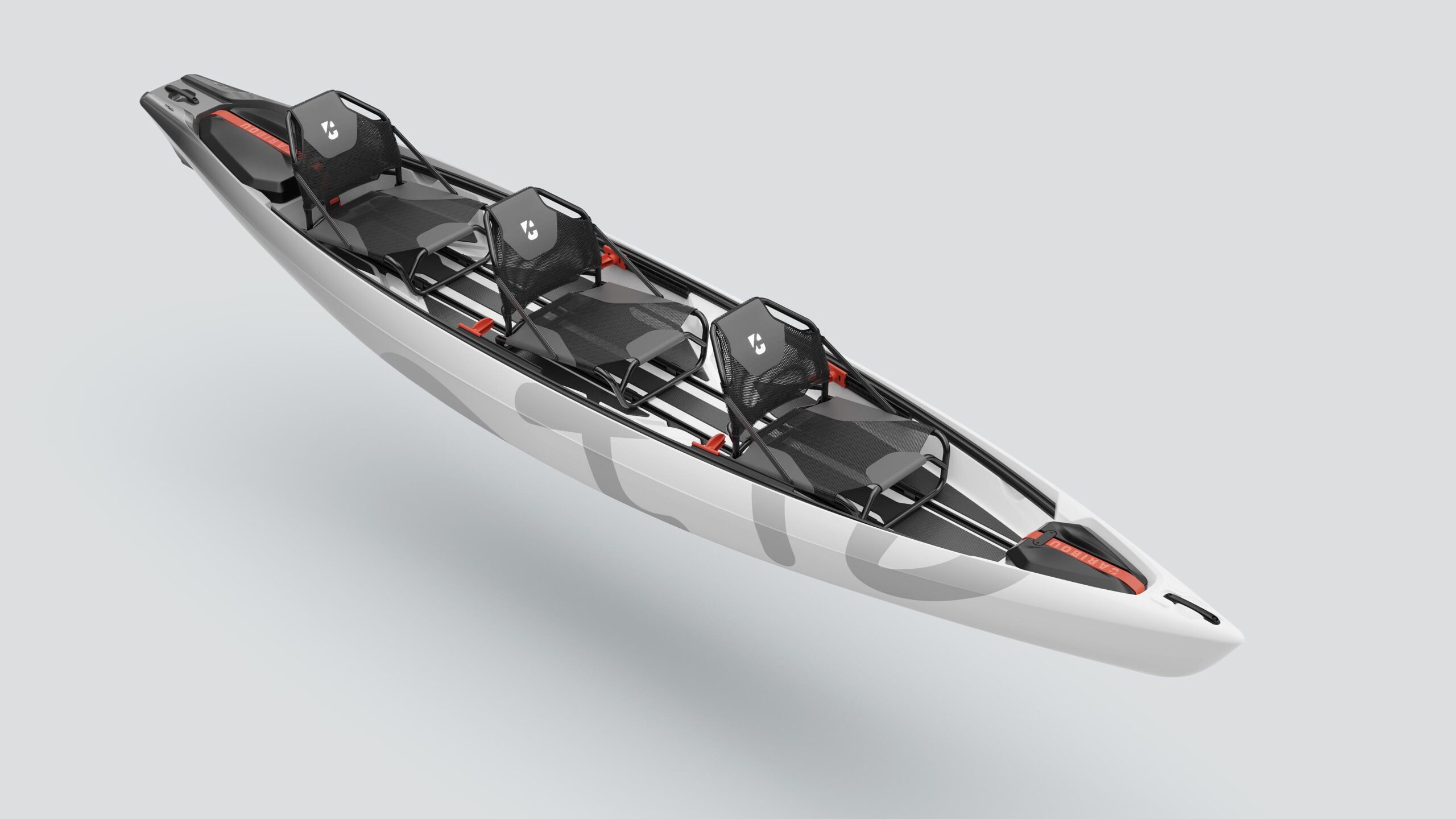
esign of the Antia kayak for Caribou by 2s.design, 2023.
The Early Days of Industrial Design
The need for design emerged as early as ancient civilizations. However, the first ‘form-givers’ — along with terms like ‘industrial design’ and ‘designer’ — only gained widespread popularity in the latter half of the 20th century.
This was a period of immense change and innovation, creating conditions that fostered the development of a generation of talented designers. Prominent figures associated with this evolution include Josef Hoffman, Charles Rennie Mackintosh, Henry van de Velde, and Frank Lloyd Wright.
In the 1980s, interest in design began to grow rapidly, permeating almost every sphere of daily life. This established the modern concept of design: the creation of objects that combine practical utility with broad aesthetic appeal.
Above all, from the very beginning, designers were experts at ignoring limitations. Moreover, they pushed the boundaries of traditional perception and established professions. The designer became an artist who, utilizing technical knowledge, explored new methods and materials.
The Business Value of Design
Product innovation is essential for success and staying ahead in the market. By grounding product development in design thinking and industrial design, companies gain a competitive edge, implement innovations effectively, and maximize the efficiency of their investments.
Industrial design is a discipline that bridges the gap between art and business. In today’s saturated market, it is easy to disappear among similar products; consumers seek uniqueness and distinction.
Therefore, product creation must treat design as a core strategy. The designer becomes the link connecting business, technology, and the user, aiming to deliver satisfaction from both buying and using the product. Understanding and reacting to consumer needs is paramount. Ultimately, a consistent visual strategy and close cooperation between design, production, and marketing teams are what guarantee a company’s success.
Researching, planning, innovating, and communicating concepts are key areas of design in developing a new product. Marketing research determines the consumer’s economic and social background, while broader market analysis identifies their values and priorities.
By utilizing observation, we can clarify if a new product will be appealing and how it stands up to the competition. Design assumptions help guide the project’s aesthetics, while factors like budget and limitations must be strictly defined so the final result meets every expectation.
Once the product’s place is defined, the goal is to transform the idea into a visually and technically attractive product that answers today’s needs.
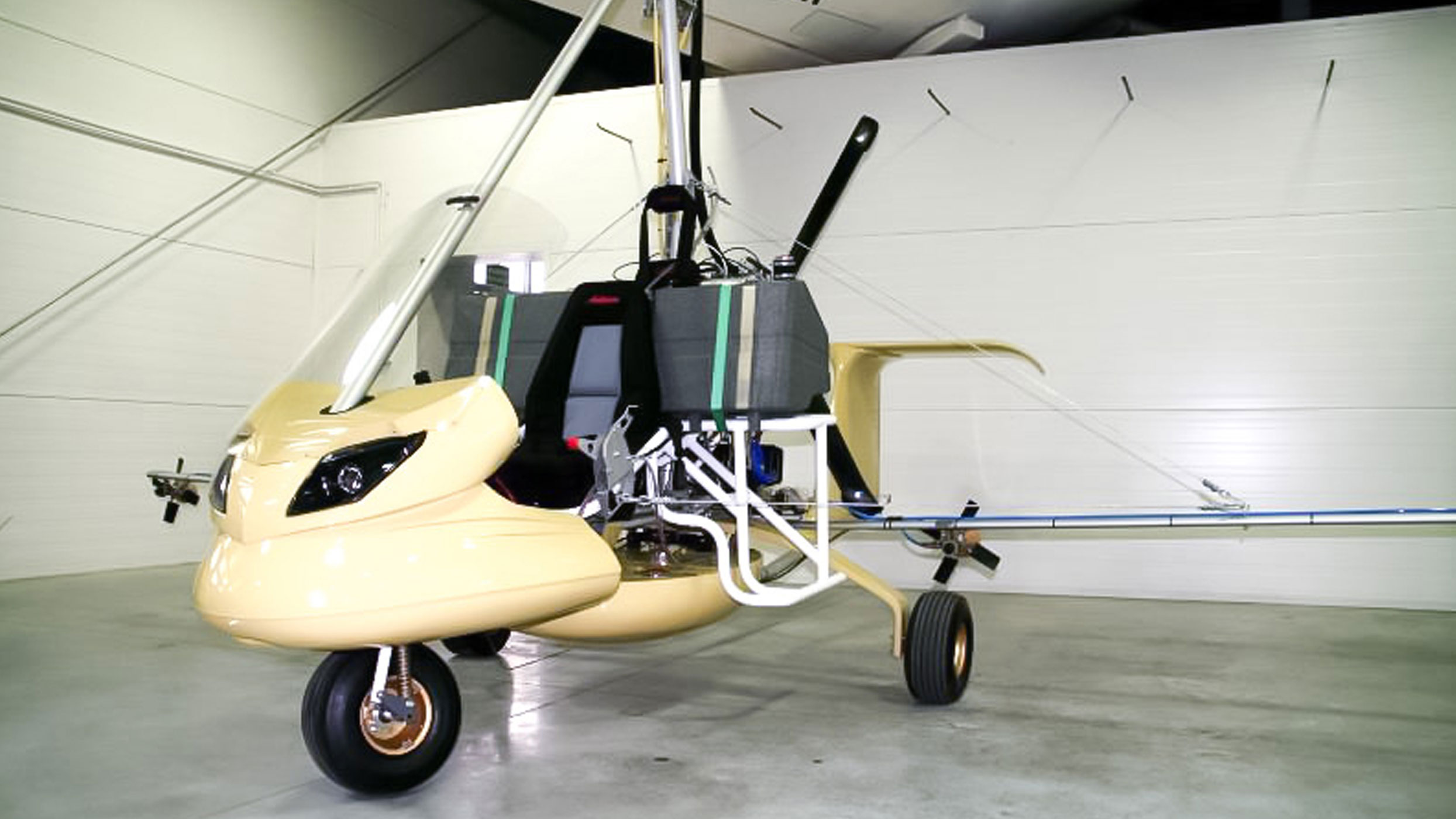
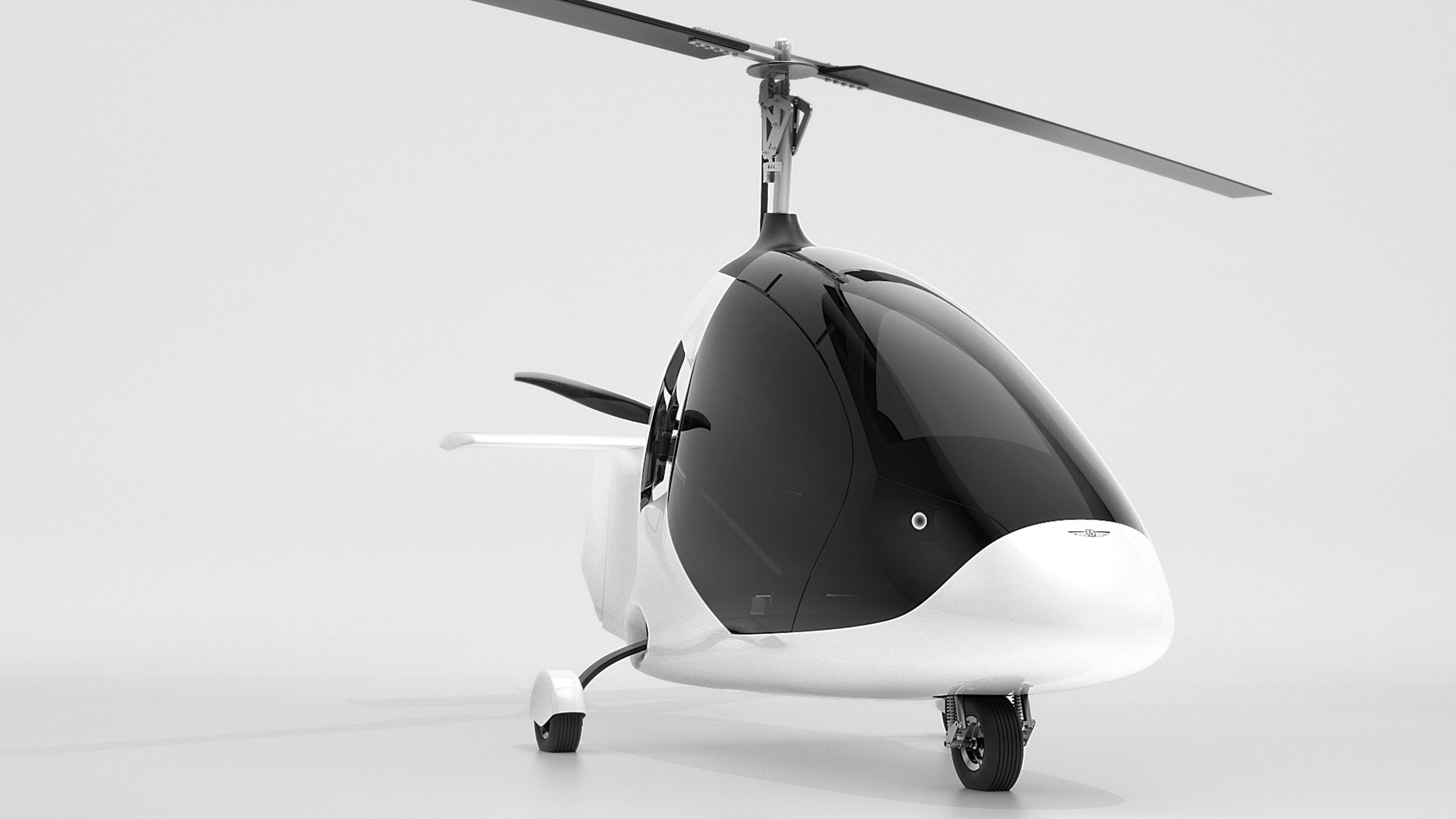
In 2017, through close collaboration between Trendak Aviation and the 2s.design team, the Twistair 1.0 tandem gyroplane evolved into version 2.0, featuring a modern and timeless aesthetic.
New Product Development
Once the product’s market position is established, the product definition phase begins. Every perspective is visualized using virtual models and 3D printed mockups, then reviewed and approved by the designer, the client, and specialists from various fields.
Virtual models allow for continuous monitoring of the design process. Prototypes are created to ensure proper concept development and to eliminate costly engineering errors or production issues. During the prototyping phase, functional physical models are built and tested.
Insights gained from these observations are applied to the final model. The designer’s task is to validate the concept, interpret the expectations of the client, the user, and the competitive market, and translate it all into a tangible product.
“When we are at these early stages in design, we talk about the story. We talk about perception. We talk about how you feel about the product, not in a physical sense, but in a perceptual sense.”
Jony Ive
Bibliography
1. L. Slack, What is Product Design?,
2. R. Morris, The Fundamentals of Product Design,
3. B. Polster, C. Neumann, M. Schuller, F. Leven, The A‑Z of Modern Design,
4. L. Kahney, Jony Ive: The Genius Behind Apple’s Greatest Products